Healing by Design: How America's Most Discerning Homeowners Are Building Whole-Estate Wellness Sanctuaries
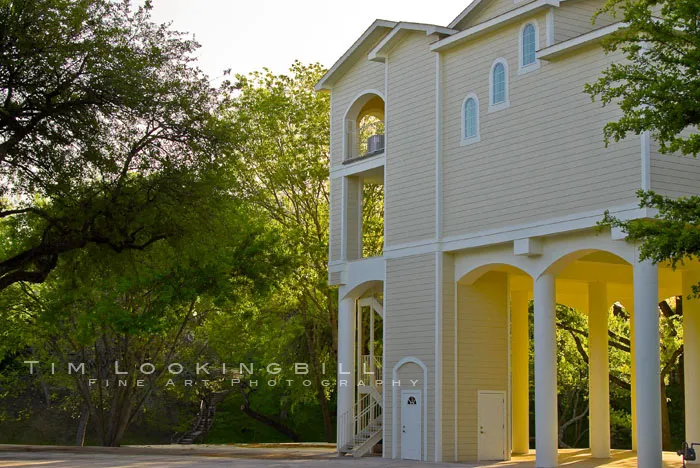
Photo: Tim Lookingbill, CC BY-SA 3.0, via Wikimedia Commons
Not long ago, a well-appointed home gym—mirrored walls, commercial-grade equipment, perhaps a steam room adjacent—was considered the hallmark of serious luxury. Today, that standard feels almost quaint. Across the country's most coveted addresses, from Malibu's Carbon Beach to Miami's Star Island, a profound architectural shift is underway. The wealthiest homeowners are no longer content with isolated fitness spaces. They are commissioning entire wellness ecosystems: thoughtfully integrated environments designed to restore, recalibrate, and elevate the human condition.
This evolution is not merely cosmetic. It represents a fundamental reconception of what a private residence is for.
From Fitness Room to Healing Environment
The traditional home gym served a singular purpose—physical exertion. The emergent wellness sanctuary operates on an entirely different philosophy. Architects and interior designers working at the highest price points now speak of programming a home's wellness spaces the way one might program a world-class medical retreat.
Cryotherapy chambers, once the exclusive province of professional sports franchises and specialized clinics, have become a fixture in estates priced above $15 million. These purpose-built rooms, typically maintained between negative 166 and negative 220 degrees Fahrenheit, require specialized insulation, ventilation engineering, and fail-safe mechanical systems—infrastructure that demands both architectural foresight and meaningful capital investment.
Adjacent to these cold-therapy environments, infrared sauna suites have undergone their own transformation. Rather than the cedar-paneled afterthought tucked beside a pool house, today's infrared installations are architectural statements in their own right—clad in thermally treated wood, illuminated by chromotherapy lighting systems, and integrated with biometric monitoring panels that track heart rate variability and core temperature in real time.
The Science of Sleep as a Luxury Amenity
Perhaps no wellness category has gained more traction among discerning buyers than sleep optimization. The bedroom, long treated as a straightforward residential program, has been radically reconsidered.
Dedicated sleep suites now incorporate circadian lighting systems that modulate color temperature and intensity across a twenty-four-hour cycle, subtly cueing the body's melatonin production without conscious intervention. Acoustic engineers are engaged early in the design process to achieve near-anechoic silence within the primary sleeping chamber—a specification that can require double-wall construction, floating floor systems, and specialized door assemblies that would not look out of place in a professional recording studio.
Air quality within these spaces is treated with equal rigor. Hospital-grade HEPA filtration, humidity control calibrated to within two percentage points, and the deliberate elimination of volatile organic compounds from all finish materials are baseline expectations at this tier. Some clients go further, commissioning pressurized rooms supplied with oxygen-enriched air—a specification borrowed from high-altitude athletic training.
Meditation Gardens and the Architecture of Stillness
Beyond the purely physiological, affluent buyers are investing substantially in spaces designed for psychological restoration. The meditation garden—an ancient concept rendered in a thoroughly contemporary idiom—has become one of the most requested features in high-end estate commissions.
These are not conventional Japanese gardens transplanted wholesale onto American soil. The finest examples are deeply site-specific, designed in collaboration with landscape architects, acoustic consultants, and sometimes clinical psychologists. Water features are engineered for precise acoustic frequencies. Planting palettes are selected not only for visual beauty but for documented effects on the autonomic nervous system—lavender, jasmine, and certain species of cypress have been identified in peer-reviewed research as measurably reducing cortisol levels.
In climates that permit it, these gardens are designed as year-round destinations, with radiant heating embedded in stone pathways, retractable glass enclosures that disappear entirely in warm months, and lighting that transitions from energizing daylight spectra in the morning to warm amber tones by evening.
Hydrotherapy and the Elevated Aquatic Experience
Water has always been central to luxury residential design, but its role within the wellness sanctuary has grown considerably more sophisticated. Cold plunge pools—maintained at temperatures between 50 and 60 degrees Fahrenheit—are increasingly paired with contrast therapy sequences that move residents between heat and cold in prescribed cycles. The physiological benefits, including accelerated muscle recovery and enhanced cardiovascular function, have been extensively documented, lending these installations a credibility that extends well beyond lifestyle aspiration.
Salt flotation chambers, sensory deprivation environments that allow the mind to enter deeply restorative states, are appearing in estates across the Northeast and West Coast. These require specialized waterproofing, structural reinforcement, and ventilation systems that represent a meaningful architectural commitment—one that sophisticated buyers are increasingly prepared to make.
What This Means for Estate Value
The financial calculus behind these investments is not difficult to understand. In markets where comparable estates compete on square footage, finishes, and location, a comprehensively realized wellness sanctuary creates a category of one. Buyers who have experienced world-class medical spas in Switzerland or longevity clinics in Arizona are arriving at residential showings with specific, technically informed expectations.
Builders and architects who have mastered this programming are commanding commissions that reflect it. The wellness infrastructure alone in a fully realized estate can represent between $2 million and $8 million of total project cost—a figure that the most discerning buyers view not as an indulgence but as an investment in the quality of their daily lives.
At Château Chandler, we recognize that the definition of extraordinary living continues to evolve. The private wellness sanctuary is not a trend in the transient sense of the word. It is a permanent recalibration of what a truly exceptional estate is obligated to provide.